 Business
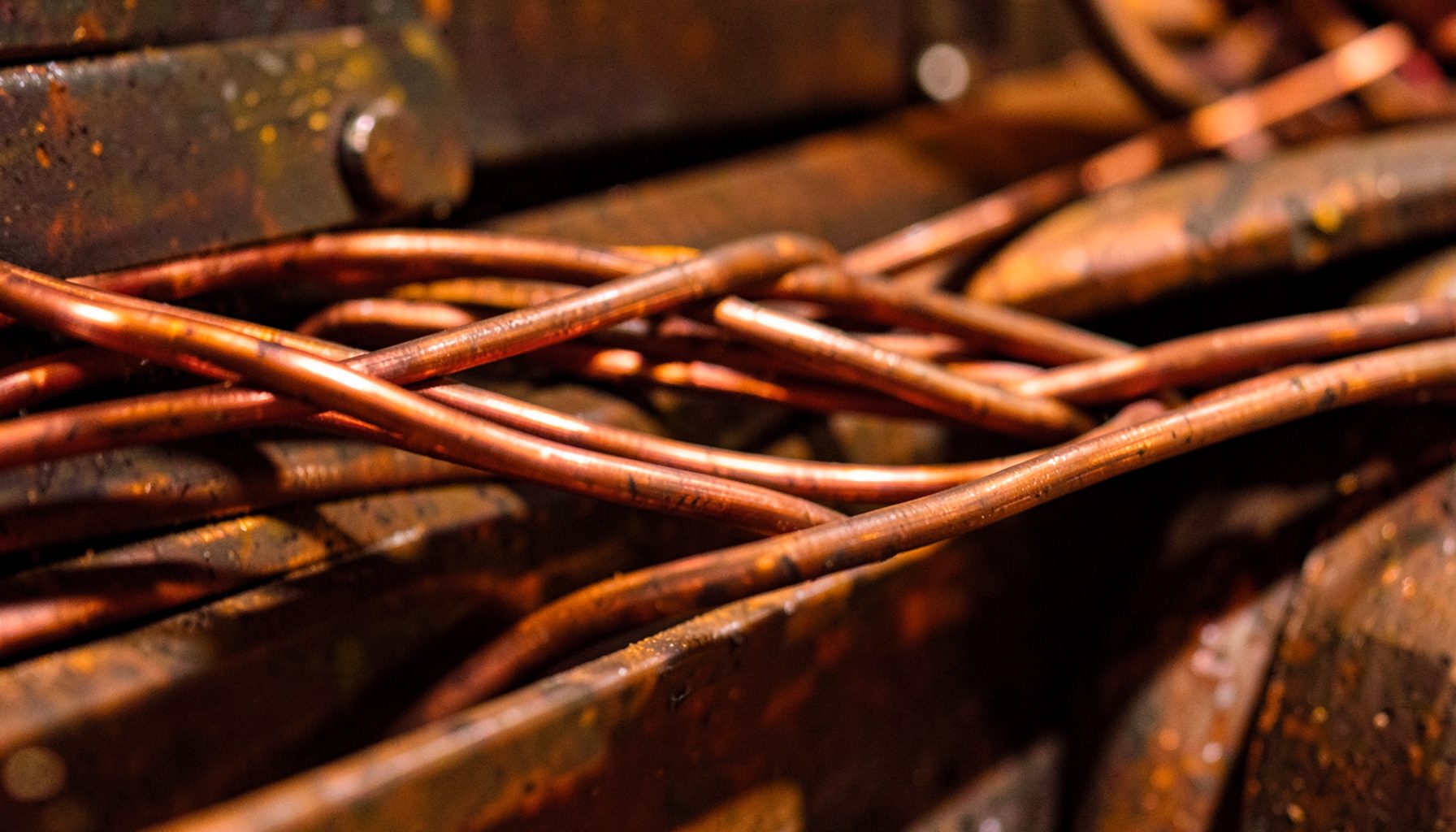
Copper Prices Surge to 7-Month High Amid Chinese Production Cut Plans
The copper market witnessed a remarkable surge as prices soared to a seven-month peak, fueled by China's strategic decision to reduce production amid tightening supply.
The global copper market has captured the attention of investors and industry analysts alike, as prices recently climbed to their highest point in seven months. This upward momentum stems largely from production decisions made overseas, particularly in China, where major producers have signaled plans to curtail output. The move reflects a broader tightening of supply that has been building for some time, with inventories drawing down and demand from key industrial sectors remaining resilient. For those tracking commodity markets, this development underscores how interconnected global supply chains have become, with a single nation's production choices capable of rippling across exchanges and influencing pricing for manufacturers and consumers around the world.
China's decision to reduce copper production marks a strategic pivot that analysts say could reshape the commodity's near-term outlook. By deliberately constraining supply, producers aim to stabilize pricing and protect margins in a market that has experienced volatility in recent quarters. The approach mirrors tactics seen in other commodity sectors, where coordinated or policy-driven output cuts have historically supported price floors. For end users, however, the implications are more immediate, as higher input costs may eventually translate into increased prices for finished goods across electronics, construction, and renewable energy infrastructure. The coming weeks will reveal whether these production adjustments hold and what they mean for the broader industrial economy.
Beyond the headline numbers, the copper surge highlights a deeper structural story about the metal's evolving role in the modern economy. Copper has become an essential component of the energy transition, serving as a critical conduit in electric vehicles, solar panels, wind turbines, and battery storage systems. As nations accelerate their commitments to renewable energy and decarbonization, demand for copper is projected to climb steadily over the coming years. This long-term demand trajectory stands in contrast to the immediate supply constraints currently shaping the market, creating a dynamic tension that analysts expect to persist. For investors, understanding this dual narrative of short-term supply pressure and long-term structural demand is key to navigating the commodity's price movements.
The surge in copper prices also carries implications for the broader financial markets, as commodities often serve as barometers for economic health and industrial activity. Rising copper prices can signal strengthening manufacturing demand, but they can also raise concerns about input cost inflation for producers and consumers alike. Central banks and policymakers watch such movements carefully, as sustained commodity price increases can influence inflation expectations and, in turn, monetary policy decisions. Meanwhile, mining companies stand to benefit from improved profitability, potentially reinvesting in exploration and capacity expansion projects that could help ease supply constraints in the future. The interplay between these forces will determine whether the current price rally represents a temporary spike or a more enduring shift.
For businesses that rely on copper as a raw material, the recent price movement presents both challenges and opportunities. Manufacturers in the wire and cable industry, electronics sector, and construction trades must navigate higher procurement costs while managing customer expectations and competitive pricing pressures. Some firms are exploring hedging strategies to lock in favorable prices, while others are investigating alternative materials or process efficiencies to offset rising input expenses. At the same time, companies positioned upstream in the supply chain, including miners and processors, may find themselves in a stronger negotiating position. The divergence in fortunes across the value chain illustrates how commodity price movements can redistribute economic gains and losses in unexpected ways.
The copper market's reaction to Chinese production plans also raises questions about the reliability of global supply chains and the concentration of production capacity in certain regions. Dependence on a handful of major producing nations leaves the market vulnerable to policy shifts, operational disruptions, and geopolitical tensions. This has prompted some governments and corporations to explore strategies for diversifying their sourcing, including investments in domestic mining projects and recycling initiatives. Copper recycling, in particular, has emerged as a growing source of secondary supply, offering a more sustainable and potentially more resilient complement to primary production. As these alternative supply channels develop, they may gradually reshape the competitive landscape of the global copper market.
Analysts are closely monitoring inventory levels at major exchange warehouses, as these figures provide a transparent window into the balance between supply and demand. Declining stockpiles typically reinforce bullish sentiment, while unexpected builds can signal softening demand or easing supply constraints. The recent price surge has been accompanied by reports of tightening inventories, suggesting that the market is indeed feeling the effects of reduced production. However, some observers caution that speculative activity may be amplifying the move, and that a correction could follow if demand fails to keep pace with elevated prices. The coming months will provide clarity, as seasonal demand patterns and ongoing production decisions come into sharper focus.
The copper story also serves as a reminder of the broader challenges facing commodity markets in an era of rapid technological change and shifting policy priorities. Metals and minerals that were once considered niche are now central to strategic planning at both corporate and governmental levels. The competition for access to critical materials has intensified, influencing trade policies, investment decisions, and international partnerships. For the average consumer, these dynamics may seem distant, but their effects are increasingly tangible, from the price of household appliances to the cost of upgrading to an electric vehicle. Understanding the forces that shape commodity markets is becoming an essential aspect of financial literacy in today's interconnected world.
Looking ahead, market participants will be watching several key indicators to gauge the trajectory of copper prices and the broader commodity complex. These include monthly production data from major mining operations, trade flows between key consuming and producing nations, and policy announcements from governments that could influence supply or demand. Technological developments, such as advances in mining efficiency and the growth of electric vehicle adoption, will also play a significant role in shaping the market's long-term direction. While short-term price movements can be difficult to predict with precision, the underlying fundamentals of supply constraints and structural demand growth suggest that copper will remain a closely watched commodity for the foreseeable future.
Tech
More Tech › Tech
Tech
Upcoming Rocket Launch Schedule for SpaceX and NASA in Florida
Florida's Space Coast witnessed 72 orbital launches last year. A look at the manifest for March 2024, including Starlink 6-41 and CRS-30.
March 4, 2024 Tech
Tech
Fisker Offers Luxury Electric SUV at Discounted Price of $25,000 Amid Financial Woes
The California-based electric SUV company faced significant financial challenges, with the possibility of bankruptcy looming.
March 2024Business
More Business ›
Business
Copper Prices Surge to 7-Month High Amid Chinese Production Cut Plans
Prices soared to a seven-month peak fueled by China's strategic production cut agreement and tightening global supply.
March 2024 Business
February 2024 Consumer Price Index (CPI) Report Analysis
The latest CPI report for February 2024 reveals crucial insights into inflation trends and their underlying drivers across multiple categories.
March 13, 2024Sports
More Sports › Sports
Giro Unveils Outlandish Time Trial Helmet for Visma-Lease A Bike Team
In the realm of time trial helmets, innovation has taken a bizarre turn. Giro's latest design for the Visma-Lease A Bike team debuted at Tirreno Adriatico.
March 4, 2024 Sports
NBA & NFL: Dominant Duos and Anticipated Matchups
Anthony Davis and LeBron James propel the LA Lakers to victory, while the NFL 2023 schedule delivers key storylines and predictions.
March 2024Entertainment
More Entertainment › Entertainment
Dan Schneider Addresses Allegations of Toxic Workplaces Raised in Quiet on Set Documentary
A statement provided by Dan Schneider's representative to TIME reiterates his apology, expressing remorse and a commitment to being held accountable.
March 2024 Entertainment
Celebrity News & Music Industry Updates
Coverage of television industry figures, celebrity marriages, net worth stories, and music industry developments.
April 2024Most Popular
Trending Now
Health
More Health ›

Travel
More Travel ›

Photo Gallery


Rocket at Dusk

Night Launch
Giro Helmet

Coastal Drive